
- Private & confidential service
- Genuine medication
- All-inclusive service - No hidden fees
- Next day delivery
Acne
Start your consultation


- Easy-to-use face gel
- Applied once a day
- Combats direct cause of acne

- Dual-action treatment
- Antibiotic effect
- Reduces sebum and cell buildup

- Clinically-proven acne treatment
- Prevents future breakouts
- Restores natural skin texture

- Kills acne-causing bacteria
- Easy-to-use topical gel
- Use twice daily

- Treatment for moderate to severe acne
- Taken once daily with topical treatment
- See results within 2 months

- Treats moderate to severe acne
- 1 capsule daily
- See improvements from 4 weeks

- Combination oral and topical treatment
- Kills bacteria that causes acne
- Effective treatment for larger spots and lumps

- Effective for pustules, nodules and cysts
- Antibacterial properties stop acne from returning
- Visible improvement within 2-3 weeks

- Dual-action treatment
- Easy-to-use gel
- Heals skin and fights infection

- Topical treatment
- Reduces inflammation
- Fights acne-causing bacteria

- Topical & oral treatment
- Target acne-causing bacteria
- Helps relieve inflammation

- Dual-action treatment plan
- Fights acne bacteria
- Easy-to-use treatment

- Aids natural exfoliation
- Reduces inflammation
- Antibiotic targets bacteria

- Targets acne at the source
- Fast-absorbing cream
- Soothes and moisturises skin

- Boosts new skin cells
- Reduces skin inflammation
- Targets acne bacteria

- Targets skin inflammation
- Speeds up skin recovery
- Fights acne bacteria

- Combi-action treatment plan
- Targets inflammation
- Antibiotic kills acne bacteria

- Topical & oral treatment
- Both target acne bacteria
- Easy-to-use treatment

- Anti-inflammatory effect
- Aids natural exfoliation
- Antibiotic fights bacteria

- Hydrates and protects skin
- Soothes dryness and irritation
- Traps in moisture and reduces irritation

- Simple acne and hirsutism medication
- Anti-androgen effect
- Additional benefits to PMS


- Free next-day delivery
- Acne cream for mild to moderate acne
- Apply in the morning and at night
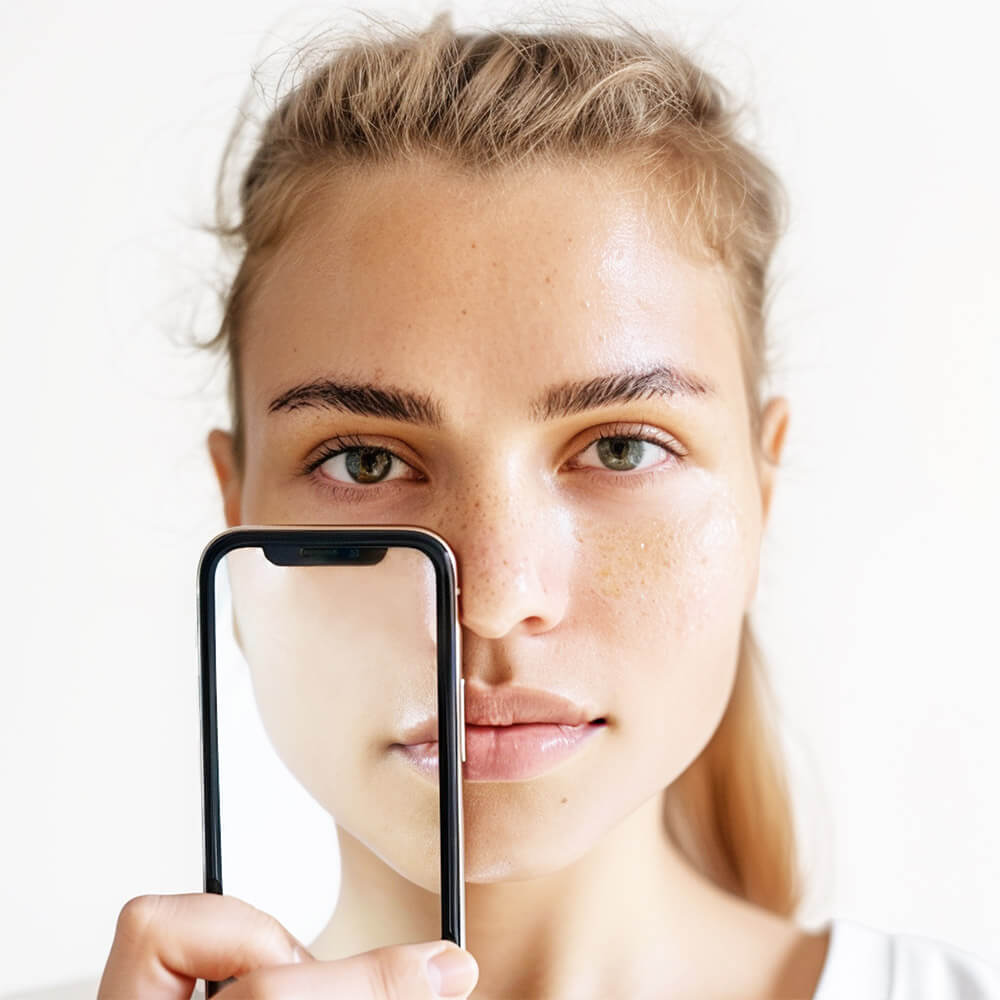
- Identify and treat skin conditions
- Convenient from your home
- Results in 1 working day
Acne
Acne is not an uncommon condition. Studies show that at least 25% of men and 50% of women will have a significant bout at some point in their life. Regardless of whether your case is mild or serious, acne can be managed with the correct skincare and treatment.
At HealthExpress, we offer clinically proven acne treatment to buy online. Complete your free consultation below or learn more about this condition.
Topics

What is acne?
Acne vulgaris can manifest itself in different forms, some of which are more familiar, such as blackheads and whiteheads. The condition can be described under several umbrella terms including zits, pimples, spots and blemishes, leading up to related conditions such as rosacea. Whilst it is quite common and usually associated with teenagers going through puberty, it is also prominent in adult men and women.
Acne ranges from mild and moderate infections such as that one zit before an important meeting - a scenario you are familiar with and can quickly clear with a tried-and-tested method - to the severe bouts that can not only be painful but also knock your self-confidence and result in scarring. Whatever level of acne you have, and however it makes you feel, it's important to remember that the majority of us seek treatment for spots and pimples.
What are the symptoms of acne?
Most commonly affecting the face, chest and back, it's no wonder we look for effective ways to relieve and eliminate the symptoms when the nature of acne means it's so visible. We mentioned whiteheads and blackheads, and these are extremely common, however there are an additional four types of acne vulgaris that you can have:
- Papules - a small pimple or swelling that can cluster together to form a rash. Chicken pox is a form of papule and often don't contain pus.
- Pustules - resemble a small blister and do contain pus, unlike the majority of papules. They can look similar to boils and abscesses.
- Nodules - a small swelling/growth that can be firm to the touch caused by inflamed tissue under the skin. Fluid may show an infection.
- Cysts (cystic acne) - a pocket of tissue that is usually filled with fluid, or pus, and sometimes air. They can grow on any part of the body and can be extremely painful.
Other symptoms of acne include pain, scarring and emotional difficulties.

Acne can manifest itself in many forms but it can be differentiated from eczema and psoriasis. While all three are classed as skin conditions, both eczema and psoriasis are inflamed patches of skin that more closely resemble a rash and aren't raised as a bump.
What is the difference between rosacea and acne?
Both acne and rosacea have similar signs including pimples and lumps, however they are two separate conditions. They are, of course, two skin disorders that can result in the similar psychological issues, nevertheless rosacea is often more severe than acne. If you are uncertain as to whether your condition is acne or rosacea, check out the chart below for more clarity and/or arrange an appointment with your GP to discuss your options.
| Acne Vulgaris | Rosacea | |
|---|---|---|
| Areas affected | Normally on the face, acne can also occur on the chest, back, and shoulder although to a lesser degree. | Usually affects the central region of the face such as the cheeks and nose, or sometimes the forehead and chin. |
| Symptoms | Characterised by a variety of lesions with blackheads or whiteheads being predominant. Pimples, bumps and nodules may also appear on the face and other affected regions. The skin may become more oily from overactive sebaceous glands. | Starts as a redness around affected areas on the face with dilated blood vessels sometimes visible. Bumps or pimples may appear if inflammation increase. In advanced cases, the nose may become swollen from excess tissue. |
| Treatment | Can be treated by over-the-counter acne preparations or prescription medication for more prominent cases. | Prescription oral or topical medications are helpful aswell as changes to lifestyle factors that may trigger flare-ups. |
What are the causes of acne?
Whilst triggers and specific reasons for acne will change from person-to-person, it can occasionally be caused by an imbalance of testosterone. This all comes down to the male sex hormones - androgens - as they are responsible for sebum production (the sebaceous glands produce the oil 'sebum' that protects the skin and hair all over our body). If the delicate balance shifts, the glands produce more sebum than is needed, which causes the skin to become greasy, clogging up pores and forming spots. A quick search for acne will always bring up the sebaceous gland's process, however, this is not the most likely cause of spots and pimples.
|
|
|
|


In terms of the specific causes, over time you will realise what can cause your skin to go from being well controlled to unmanageable. For example, you may find a shift in weather does it; for women, pregnancy or the time in your menstrual cycle can be the cause; or certain face washes and cosmetics could be provoking flare-ups including redness as well as blemishes. These triggers can be a combination of different factors and vary widely between individuals, so noting when yours is worse can help to improve the condition, and allow your treatment to work more effectively.
Why do teenagers get acne?
Teenage acne affects around 80% of young people in the UK according to the NHS, and can lead into your 20s. Teenagers going through puberty are more prone to outbreaks due to significant hormonal changes, to be more specific, an increase in androgens. This results in the sebaceous glands producing increased levels of oil in the skin, which are likely to become blocked and inflamed, causing spots of multiple kinds.
What are some myths surrounding acne?
There are many misconceptions surrounding the condition. In particular, the triggers and causes that apparently result in spots. We have debunked a few popular fallacies...
- Poor hygiene is most likely not a cause. In fact, washing your face far too much can be having a detrimental effect as you are frequently washing away the sebum oils that are there to protect and moisturise. This also proves that blackheads aren't dirt and are actually caused by oil from below your skin and, strangely, too much protein in your system, usually because of your diet.
- Whilst stress can be an additional trigger for few, it is often not the sole reason for the majority. The same goes for other psychological factors and changes in your mood.
- Chocolate is another misconception. There has been no solid proof that certain foods cause acne and this is definitely true for sugary foods like chocolate. This doesn't mean that food isn't causing your acne, but keeping a note on what particular foods groups are prompting breakouts can help you maintain trouble-free skin. Eating well can help improve breakouts but it won't address the underlying reasons.
- The sun, or simply having a tan, does not improve acne even though it may mask the severity slightly. It is also never advised to use sunbeds for obvious safety reasons.
- Acne only affecting teenagers is another false that needs zapping as quickly as the said zits. As mentioned, this condition affects 8 in 10 of us in the UK at some point in our lives. That's approximately 51,280,000 Britons.
- Sunlight improves acne. A tan can cover up acne by darkening your skin but because acne medications can make your skin more sensitive to light, exposing your skin to sunlight and sun beds can make acne worse. There's no evidence to suggest sunlight improves acne.
- You Shouldn't Wear Make-up. Non-comedogenic make up doesn't always make acne worse, in fact, makeup can make people feel better about their appearance by masking acne breakouts.
- "Over-the-counter treatments are the most effective way to get rid of spots" is another on the myth list. Again, you might find that some personally improve your skin's condition, however, some products strip the necessary level of sebum used to keep your skin moisturised and healthy resulting in you having a reliance on a product you think is working.
- The ingredients in toothpaste doubling up as a zit-blaster is another wives tale you should avoid. Toothpaste is far too harsh for your skin, drying out your pores and can leave a nasty rash.
What are the effects of acne?
Acne is more than a pubescence phase or embarrassing pimple. In the long-term, more serious aspects of the condition can lead to permanent scarring categorised in three ways; ice pick scars, rolling scars and boxcar scars.
If you have scarring like the above resulting from severe acne vulgaris, there are laser and filler treatments that can help. Our treatment section below will shed more light on what you can do to significantly improve any scarring caused by a number of severe breakouts over the years.
There are also psychological effects that should not be ignored, no matter how trivial the connotations may be. For example, your self-confidence can nosedive causing everyday tasks - such as going to the shops, for example - to become a minefield of emotions. It's normal to become distressed, anxious, stressed and depressed, and even more ordinary to want to seek help.
Acne can also cause time management issues. For example, you may have a routine that involves waking far too early to apply creams and cosmetics to treat and mask blemishes causing issues with sleep deprivation. You may find yourself running late for work after waking up with another bout, or popping to the toilets more frequently to check and cover again.
Luckily, help is on-hand to treat both the physical and emotional results of living with acne, including simple remedies, prescription medications and laser surgery and can be found under our section below entitled 'How to treat acne'.
What are the benefits of treating acne?
 Clearer skin
Clear skin can give you a clear mind. You'll regain and discover confidence to be more outgoing.
- More freedom
More free time that was often taken up when treating acne. For example, heading to bed later to apply half a dozen treatments, or waking early to cover up more blemishes.


- Save money
Once you've found a proven and effective treatment, this can save you money.
- Reduce discomfort
Eliminating acne eliminates this discomfort you have been accustomed to feeling.


How can I treat acne?
There is no "miracle cream" that can completely eliminate acne in a matter of weeks, however there are a number of options that can significantly improve your skin, especially over time.
As we mentioned, triggers and causes of your acne may be different from the next person. For example, only you can say if chocolate does affect your skin or not. However, here are some proven methods:
Prescription acne treatments
Prescription treatment for acne is not as uncommon as it sounds. The main plus of using prescription treatment is that it is proven to be effective for the vast majority of users as it has undergone extensive clinical trials to ascertain its effectiveness when treating acne. This is a major advantage in comparison to over-the-counter methods that require trial-and-error.
Clinically prescribed medications can come on the form of gel, lotions or tablets meaning there's a wider variety to suit most cases. For example, it can be difficult for combination skin types (a mixture of oily and dry) to use gels and creams. In addition, those with oily skin may wish to find an acne solution with limited hand-to-face contact. They are often cheaper or on par with over-the-counter methods with the added benefit of being proven to reduce symptoms from blemishes to redness.
There are a number of acne treatment options available which are designed to treat different types of acne including the following:
- Gel treatments like Duac
- Solutions like Zineryt
- Tablets like Oxytetracycline, Roaccutane and Minocin
Over-the-counter treatments
In the first instance, over-the-counter treatments can be tried and tested to see if any are effective. These treatments usually take the form of a lotion or a cream and should contain ingredients like:
- Benzoyl peroxide
- Salicylic acid
- Alpha hydroxyl acids
- Sulphur
The success of these treatments can vary from individual-to-individual depending on factors such as the severity of the condition. Some people will find that simply changing their facial wash to one that is designed to treat acne has a positive effect. Others may try a number of over-the-counter treatments with little success.
As mentioned, these treatments aren't clinically proven, so you may find that your skin becomes used to the ingredients after a while, or the opposite effect in that you become reliant on a particular formula.
It is advised to search for over-the-counter acne treatments, not make-up brands as these can mask the condition.
Contraceptive pills
Whilst some contraception aggravates acne, other oestrogen based oral contraceptives such as Yasmin and Dianette have shown to improve the appearance of skin for women.
As contraception regulates the hormonal balance of the body, manipulating the menstrual cycle and ovulation, certain oral contraceptives have been proven to regulate the possible androgen imbalance.
Alternatively, progestogen-only contraception (POP pills) can make skin worse, or give you acne in the first place, as can the contraceptive implant. If you have found your skin worsening, this could be the reason so switching to another form of contraception if you are sexually active can solve the problem.
How to treat scarring
Whilst surgery is an extreme method in any scenario, dermabrasion and laser treatment could be an option you wish to look into improving your skin. Punch techniques are also handy for those with ice pick and boxcar scars. The last option is subcision that is used to treat rolling scars.
Luckily, the NHS have support on-hand if you're struggling to cope with scarring or severe acne.
Psychological effects of severe acne
In terms of psychological effects, searching online will offer a vast number of forums with those in a similar predicament. Also talking to your GP, as well as friends and family, can settle nerves and improve confidence.
How long will these acne treatments take to work?
It is important to remember that treating acne can take time; there are no quick fixes. However, some treatments do work faster than others, particularly those that are available on prescription. The length of time it takes for noticeable improvements to be seen varies from several weeks to several months so patience is key. Whichever treatment you choose, you should always follow the instructions carefully to ensure you receive the full benefits whilst remaining safe.
In rare causes that a technique causes an adverse effect, such as inflammation for example, it is advised to stop treatment and visit your GP for further advice.
What are some ways to prevent acne?
Acne can be difficult to live with, but there are some ways to help reduce the amount of acne you experience. Monitoring the triggers of your acne will help keep breakouts under control. Some techniques that have been tested in the past include:
- Observing and improving your diet. Some studies show Omega-3 found in nuts can lower inflammation.
- Removing makeup, especially at night. Clean brushes once a week in warm soapy water to kill bacteria.
- Limiting the use of cosmetics.*
- Pushing hair away from your face. It's tempting to hide behind your hair, but long hair contains oils that may contribute to skin breakouts. Washing your hair daily, especially after exercising, is also a good idea.
- Washing your face after exercise.
- Avoid squeezing and picking. Avoid touching or squeezing spots as this can make them worse. It's difficult to resist, but try not to pick at your skin as it can lead to permanent scarring.**
- Using mild soaps, cleansers and lukewarm water to avoid making your symptoms worse. Your doctor may recommend washing with a cleanser containing benzyl peroxide.
- Avoiding washing too frequently.
- Avoid touching your face.
- Use nonacnegenic or noncomedogenic products.*
- Be gentle. Washing your skin is important, but don't scrub your skin or wash too frequently as this will stimulate your skin to produce more sebum and irritate existing acne.
- Moisturise. Acne can cause dry skin. If your skin is dry, try using an emollient moisturiser. There are various creams, lotions and gels available that are designed for use with acne-prone skin.
- Wipe down your smartphone if you regularly hold it against your face to ensure bacteria doesn't spread.
- Sleep more. When we sleep, our bodies have a chance to heal. If you have inflammation and soreness, getting a good night's sleep can improve breakouts.
- Drink water. Water keeps our bodies functioning in top shape. It's essential to flush out bacteria and germs.
- Stop Smoking. Nicotine decreases the amount of oxygen in your blood leaving your skin dull, grey and slow to heal.
- Eat well. Eating a balanced diet with plenty of fruit and vegetables can boost your intake of vitamins and minerals, which are essential for good skin health.
- Consider the contraceptive pill. Contraceptive pills not only prevent pregnancy, they can also improve acne and spot breakouts because they regulate hormones.
*Nonacnegenic or noncomedogenic solutions are designed to prevent pores from clogging, whilst other creams and lotions should be considered when shopping for toilettes. Some cosmetic products can exacerbate the symptoms of acne. Non-comedogenic cosmetics are designed to keep pores clear.
**Refusing to squeeze and pick your spots is essential, however satisfying it may be. Not only does this break the surface of your skin, making it far more likely to scar permanently, but it makes it far more likely for further bacteria from your hands to enter and infect the area.
Self-help requires persistence. Keeping a note of your triggers will allow you to avoid blemishes in the future.
What options are available for the treatment of acne?
There are numerous medications available, from relatively mild gels to high concentration tablets. These remedies can be in the form of creams or lotions, oral antibiotics, oral contraceptives or oral retinoids. At HealthExpress, we only supply clinically proven treatment that is available on prescription. This includes Duac (topical gel for mild acne), Minocin (tablets for reducing bouts), Oxytetracycline (tablets that stop the spread of bacteria) and for women, you can buy the oral contraceptive Dianette.
Both Duac and our oral capsule treatments can be taken together, whilst Dianette is still suitable for women, whether you are sexually active.
To order an acne treatment, click onto the relevant medication above to start your free consultation. Here, we also offer further information on each and you can contact us for additional customer service if you have any particular questions, or are concerned about the condition.
3 simple steps to get you started


