
- Private & confidential service
- Genuine medication
- All-inclusive service - No hidden fees
- Next day delivery
Combined Pill
Start your consultation


- Suitable combined pill alternative
- Prevents unwanted pregnancies
- Reduces symptoms of periods


- Reduces PMS and cramps
- Have regular lighter periods
- Pregnancy protection at 99%

- 99% effective at preventing pregnancy
- Daily pill with a 7 day break
- Can regulate periods and reduce PMS symptoms

- Taken daily for the full 28 days
- Can offer relief from PMS symptoms
- Mimics your natural menstrual cycle

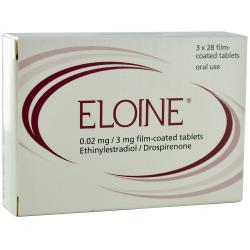
- 99% effective at preventing pregnancy
- Can help reduce acne and PMS symptoms
- Contains the same active ingredients as Yaz

- Alleviates PMS and cramps
- Improve skin appearance
- Protects against pregnancy

- Can alleivate PMS
- Reduces menstrual pains
- Lightens a heavy flow

- Prevents pregnancies
- Can alleviate PMS
- Includes 7 placebo pills

- Effective contraceptive
- Oestrogen and progesterone
- Can alleviate PMS

- Can alleviate period pain and discomfort
- Hormones naturally mimic your cycle
- 21 easy-to-take tablets per month

- Aleviates menstrual cramping
- Reduces a heavy flow
- Prevents unwanted pregnancy


- Reduces menstrual cramps
- Regulates lighter periods
- Protects against pregnancy

- Regulates your period every month
- Relief for premenstrual pain
- Can be used to treat endometriosis

- Easy-to-take tablets
- Can improve PMS
- 3-month or 6-month supply

- Regulate period timings
- Taken for 28 days
- Can miminise PMS symptoms


- 99% effective at preventing pregnancy
- Alleviates premenstrual symptoms
- Can make periods lighter and less painful

- Can improve PMS symptoms
- Prevents pregnancy in three ways
- Almost 100% effective at preventing pregnancy

- Available with 20mcg dose of oestrogen
- 99% effective at preventing pregnancy
- Easy-to-take 21 day pill

- 99% effective at preventing pregnancy
- Triphasic pill that may reduce side effects
- Can regulate periods and reduce PMS symptoms

- Easy-to-take 21 day pill
- 99% effective at preventing pregnancy
- Can help make periods lighter and less painful

- Alternative to Cilest
- Contains norgestimate and ethinylestradiol
- Can alleviate menstrual pain

- 21-day combined pill
- Over 99% effective at preventing pregnancy
- Improves PMS symptoms

- 28 easy-to-take tablets per month
- Can improve period pain and discomfort
- Hormones naturally mimic your cycle


- 99% effective at preventing pregnancy
- Works in three different ways to prevent pregnancy
- Easy-to-take 21 day pill

- 99% effective at preventing pregnancy
- Can lessen painful PMS symptoms
- Easy-to-take 21 day pill

- 99% effective at preventing pregnancy
- Reduces period pain and regulates periods
- Taken once a day for 21 days with a 7 day break

- 28 easy-to-take tablets per month
- Can improve period pain and discomfort
- Hormones naturally mimic your cycle
Combined Pill
Over 3.5 million women use the combined pill, making it the most popular form of contraception in the UK. It is over 99% effective at preventing pregnancy when used correctly and provides a whole host of secondary benefits. More commonly known as 'the pill', it can be used to treat heavy periods, premenstrual syndrome and endometriosis.
If you are already using the combined pill, you can select your current treatment from the list below and order today after completing our free online consultation. If you would like to know more about the combined pill, please find further information below.
Topics

What is the combined pill?
The combined pill is an oral tablet used by millions of women to prevent pregnancy. When used correctly, it is amongst the most secure contraception methods available. Most commonly referred to as 'the pill', many women also take it to help soften period cramps, regulate the menstrual cycle and control hormonal acne.
The combined contraceptive pill differs from the mini pill (also known as the POP pill or protegestogen only pill) in how it is taken, its ingredients and dosages. The pill contains both oestrogen and progestogen, whilst the mini pill only contains the latter, and it is taken for 21 days with a 7-day break. Most women will be offered the combined pill option as it is highly tolerable, easy to take and easily obtainable making it a highly demanded method of contraception.

There are many combined pill brands with Cilest, Microgynon and Yasmin being amongst the most popular choices in the UK. Although they are all very similar to each other, you may find some combined pills will be more appropriate than others for you depending on factors including whether you smoke or experience migraines as well as your age. Due to the wide variety of options available you are bound to find a pill that is suited to your needs. Although there may be some trial and error, an online consultation or a visit to your GP can help you identify which combined pill works best for you.
Combined pill brands available in the UK
- Femodene*
- Femodette*
- Loestrin
- Marvelon
- Mercilon*
- Microgynon*
- Norimin
*Available here online at HealthExpress
How does the combined pill work?
This contraceptive method can be taken at any point once prescribed. If taken on the first to fifth day of your period, it will be immediately effective. If it is taken outside this timeframe, then an additional barrier option will be required for the first week or two before being fully protected. Technically speaking, the pill works in three ways:
- It stops the ovaries from releasing eggs, therefore stopping ovulation.
- It also thickens the cervical mucus to prevent sperm from reaching the womb.
- Lastly, it makes the womb walls thinner, so if an egg were to be released, it would be unable to attach itself to the womb
It will only be 99% effective if taken correctly detailed under our 'How to take the pill' section.
*Please note that the combined pill cannot protect you against sexually transmitted infections. Please use barrier contraceptives such as condoms if you are concerned about your sexual health.
Myths surrounding the combined pill
The pill and weight gain - If you have experienced weight gain, it is most likely down to fluid retention due to the level of synthetic hormones. This is very often temporary, especially when taking new medications. Not only is there an extremely slim chance of significant and noticeable weight gain, but newer versions of the pill contain less oestrogen making weight gain even less likely.
The combined pill increases the chance of cancer - Studies have shown that the risk of ovarian and endometrial cancers is reduced when taking the pill. The only increased risk is linked to breast cancer and cervical cancer, and even this is very slim. Cancer Research UK has further information on the combined pill's link to developing cancer.
Combined pill and migraines - Whilst reports have shown that a minority of women find their migraines and headaches to become more severe whilst taking the pill, this is not the case with the majority. The easiest way to clarify which effect a certain type of hormonal contraception may have on your body is to seek medical advice from your GP before starting a new pill.
Getting pregnant on the pill - Getting pregnant on the pill is a possibility if you haven't taken it correctly. If you miss any tablets in your pack for example, the pill's effectiveness drops. For more advice on what to do, check out our 'Missed Pill' section and whenever in doubt, use further barrier contraceptive methods.
What are the benefits of using the combined pill?
The combined contraceptives are over 99% effective at preventing pregnancy this being their main benefit. However, you can also take the pill if you wish to control acne outbreaks, help ease menstrual cramps or alleviate the symptoms of endometriosis. The combined pill can be used for these issues in addition to preventing pregnancy. Other benefits to using this pill include:
 Ease of use and discretion
Many women take their birth control first thing in the morning or last thing at night as part of their daily routine.
- Lighter and more regular periods
This will ease the symptoms associated with your menstrual cycle such as cramps, pains and heavy flow.

- Heavy and long period reduction
Hormonal contraception can make periods shorter and lighter.
- Treat PCOS
Polycystic ovary syndrome can affect the hormones causing painful periods, excess facial hair and weight gain. Hormonal contraceptives can help to control many associated symptoms.


*The pill may not be appropriate if you have had cancer previously. For more information regarding the pill if you have had cancer, check out the NHS resources .
How do I take the combined pill?
Using the combined pill
With oral combined contraceptives, one pill must be taken at the same time daily for 21 days of the month, followed by a 7-day break. During this break you will experience breakthrough bleeding. However, you will still be fully protected throughout if you have been taking the pill correctly.
After the 7-day break you should begin your next pill pack following the same rules and continue this cycle until you no longer wish to use a hormonal contraceptive method.
There are a couple of combined pill brands including Zoely and Qlaira that differ from the usual 21-day method. These brands contain 28 pills. This is a good option for women who struggle to remember when to start a new pack.

What if I miss a pill?
Forgetting to take a pill is a common scenario and there are clear guidelines about what you need to do if you miss a pill. This will depend on when and where you are in your cycle:
You have missed one pill or have started the new pack one day late:
- Take your pill as soon as you remember, even if this means taking two pills in one day
- Continue your pack as normal
- You will still be protected and will not require any additional protection
You have missed two or more pills or have started the new pack two or more days late:
- Take the last missed pill as soon as possible, even if this means taking two pills on the same day
- Leave the other missed pill(s) and continue to take one pill daily as normal
- During this time you will NOT be protected against pregnancy. Seek additional barrier methods of contraception or avoid sexual intercourse until you have started your next pack after the 7-day break
If there are six or fewer pills left in the pack:
- Finish the pack as normal
- Start the new pack the next day without the 7-day break
- During this time you will NOT be protected against pregnancy. Seek additional barrier methods of contraception or avoid sexual intercourse until you have started your next pack after the seven-day break
If there are seven or more pills left in the pack
- Finish the pack as normal
- Take your 7-day 'pill break' as normal, before starting the next pack
- During this time you will NOT be protected against pregnancy. Seek additional barrier methods of contraception or avoid sexual intercourse until you have started your next pack after the seven-day break
What if I vomit or experience diarrhea while taking the pill
Falling ill with the common cold or other related illnesses will not have an effect on the efficiency of your birth control unless you experience vomiting or diarrhoea. If you vomit or have been experiencing severe diarrhoea within 3 hours of taking your pill, it could mean that it hasn't been fully absorbed into your bloodstream.
Continue as usual when the vomiting or diarrhoea subsides. If more than one pill is missed during this period then you may need to use a barrier contraceptive such as a condom for the next week before you are fully protected again.
What are the side effects associated with the combined pill?
Like any form of prescription medication, the combined contraceptive pill contains a risk of side effects. These are usually mild and temporary and will generally be experienced within the first three months of going on the pill, as your body is becoming accustomed to the medication.
Common and uncommon side effects
The combined contraceptive pill is well tolerated for the vast majority of women. However, there are some common and uncommon side effects to be aware of when considering it as a method of contraception. Below are the side effects as listed by the US National Library of Medicine:
| Common side effects | Uncommon side effects |
|---|---|
|
|
When considering the term "common" with medication, this can be somewhat misleading as only a minority of women taking the combined pill will experience these side effects. Doctors will advise you to continue taking that particular combined contraceptive for up to three months by which point these side effects should have subsided considerably or disappeared altogether.
Rare side effects
There are some rare but potentially dangerous side effects associated with taking the combined pill.
The pill and blood clots
The oestrogen in the pill can make your blood clot more willingly. If blood clots do form, they could develop in your legs (a condition known as deep vein thrombosis) or your lungs (a condition known as a pulmonary embolism). These conditions can lead to strokes or heart attacks.
A large scale study of two GP Databases in the UK was published in the British Medical Journal in 2015. It analysed the incidence of blood clots amongst those taking oral contraceptives across 1,340 GP Practices. It found that while the pill did increase the risk of blood clots threefold over baseline, it was still considered a rare side effect, with the increase being six in 10,000 blood clots in women taking the pill.
The pill and cancer
There is ongoing research into a link between taking the combined pill and a slightly higher chance of developing breast cancer, cervical cancer as well as a rare liver cancer. However, this increase is minimal. In fact, according to the NHS, the pill can offer you some protection against developing other cancers such as ovarian cancer, colon cancer and endometrium cancer.
Cancer Research UK reported how short-term use seems to have little effect, but if taking the combined pill for five years or longer, you can double your risk of developing cervical cancer compared to women who don't take the pill. This risk falls again once you stop taking the pill and after ten years, the additional risk has disappeared. Similarly, the increased risk of breast cancer vanishes after ten years of stopping the pill.
Dealing with combined pill side effects
The most common side effects of taking the combined pill are headaches, mood swings, nausea and breast tenderness. These are usually temporary and will disappear within the first few months of use. Breakthrough bleeding is also common in the first few months. If any of these symptoms persist you should speak to your doctor, as another pill or brand may be more suitable for you.
If you notice any symptoms of the rare or more serious side effects, you should seek medical advice immediately. You should also speak to your doctor if your circumstances or health change and you now fall into one of the risk categories. For example, if you develop high blood pressure or if you start smoking, you may need to stop taking the combined pill.
Bleeding between periods on the pill
Bleeding whilst taking the pill is also a fairly common occurrence, especially when you are taking it for the first time. Also referred to as a 'breakthrough bleed' or 'spotting', this is particularly typical when starting the pill as your body begins to adjust to the new hormones. Continue taking the pill as detailed and seek further information if you have experienced withdrawal bleeding for over 3 months.
No period after coming off the pill
It is common to not experience a withdrawal bleed in the 7-day break and doesn't categorically mean you are pregnant. If you have taken the pill correctly (around the same time without being sick or missing any tablets), then the likelihood of pregnancy is extremely low. It is advised to carry on with your next pill pack, then if you don't experience a bleed the following month, to seek medical advice with your GP.
What precautions should be taken with the combined pill?
The combined pill may not suitable if you:
- Smoke
- Have a family history of deep vein thrombosis
- Are obese
- Are diabetic
- Have high blood pressure
- Have high cholesterol
- Are breastfeeding
- Are sensitive to oestrogen
- Are over the age of 35
- Experience migraines
You should always disclose any medical history or medications you take to your doctor before starting a new form of contraception, including in our consultation process.
Antibiotics and the pill
If you are currently taking other medication or antibiotics, including herbal medications, this could affect the combined pill's effectiveness. It is therefore advised that you speak to your doctor about any other medications you are taking.
If you have any of these health complications or conditions, there is no need to fret; you still may be able to use the combined pill and other contraception options are available too. You can be prescribed an alternative such as the mini pill.
The combined pill and smoking
100 million women worldwide use the contraceptive pill, but if you smoke you have an increased risk of deep vein thrombosis (DVT), stroke or heart attack due to the following reasons:
- Nicotine narrows arteries, making it harder for blood to pump through.
- Oestrogen in the pill can cause your blood to clot more easily.
What is deep vein thrombosis? - DVT is a blood clot in one of the deep veins, usually a leg. This clot can break off and travel to the lungs or heart where it will block the blood vessel. These risks increase for women over 35 and those who smoke more than 15 cigarettes a day. A DVT can cause:
- Pulmonary embolism - This is when a blood clot breaks off and travels to the lungs. In severe cases, it can result in death.
- Stroke - This is when a blood clot blocks blood flow and oxygen to the brain, and brain cells begin to die.
- Heart attack - This is when the blood supply and oxygen to the heart are cut off.
What can you take instead?
- Mini pill - A progesterone-only pill is safe for smokers. It is 99% effective when taken correctly. It works by thickening mucus in the cervix to stop sperm entering. It can also prevent ovulation and end periods for some women.
- Condoms - Anyone can use condoms. They are one of the few contraceptive methods that prevent STIs.
- Implant - The implant is placed under the skin of your upper arm by a doctor. It releases a small amount of hormone each day and can last three years.
- IUD/ IUS - This is a small plastic T-shaped device that is placed inside the uterus by a doctor or nurse. It prevents fertilised eggs reaching the lining. An IUD releases copper, which changes fluids in the womb to stop sperm from surviving. The IUS releases progesterone in much the same way as the mini pill.
- Diaphragm - The diaphragm is making a comeback now that it has been upgraded. A diaphragm is placed inside the vagina before sex to catch sperm and prevent it entering the womb. It is a good choice if you don't like the idea of hormones and chemicals changing your body.
The combined pill and birth defects
Recently, a new study has looked at another question regarding the combined contraceptive pill that is not so commonly discussed. Researchers in Denmark looked at 900,000 live births to see whether taking the pill before or during pregnancy was likely to cause birth defects.
If a woman is not immediately aware of an existing pregnancy, she may continue to take contraceptives. Researchers looked at 4 groups of women:
- 1/5 had never taken the pill
- 2/3s discontinued use at least three months before conceiving
- 2 smaller groups either stopped taking the pill within 3 months of becoming pregnant or continued to take it throughout pregnancy.
The results revealed that for none of the women the baby was at increased risk of health issues. For each group, the ratio of birth defects to normal birth was 25 per 1000 live births. This remained the same when stillbirths and induced abortions were included.
These findings support the idea that there is no increased risk for the babies of mothers who take oral contraception during pregnancy. However, medical professionals still advise coming off the pill as soon as a pregnancy is confirmed.
How can I buy the combined pill online safely?
The combined contraceptive pill is available to purchase online in the UK at HealthExpress after you complete an online consultation form. This takes a couple of minutes and once completed, a doctor will assess your suitability for the medication and will help you find an alternative should your first choice be unsuitable. Once successful, a prescription will be issued and your package will be delivered from our pharmacy straight to your door using a free next-day service. As you regularly need contraception - usually every 3 months - getting your prescription for the combined pill online is becoming an increasingly popular method.
- No waiting around for appointments and prescriptions
- 16+ contraceptive options available
- Order from the comfort of your own home
- Free next-day delivery on orders before 3pm
3 simple steps to get you started


