
- Private & confidential service
- Genuine medication
- All-inclusive service - No hidden fees
- Next day delivery
Contraception
Buy contraception online
Contraception has never been more widely available. Now, you can reorder yours online. HealthExpress offers a wide range of contraceptive methods from the combined pill, the mini-pill and the patch.
If you’re looking to reorder your contraception, select the method you use to start an online consultation today. If you’re just looking for more information, keep scrolling to learn more.
Contraception is a term used to describe methods used to prevent pregnancy. It comes in all different shapes and sizes, from pills and injections to natural methods. With so many options available, it can be difficult to pick the option that’s right for you. So here’s your go-to guide to contraception, the different methods, how effective they are and where you can get them from.
Available contraception methods
- Also known as ‘the pill’
- All famous brands available
- Yasmin, Rigedivon, Mercilon and more
- Progesterone-only pills
- For if you want to start on the pill
- Cerazette, Noriday, Cerelle and more


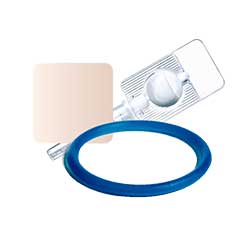
Contraception


Topics

What is contraception?
Contraception, also known as birth control, is an umbrella term used to refer to techniques, medicines or devices that prevent conception.
Since ancient times, men and women have practised contraceptive measures. For instance, coitus interruptus (otherwise known as the 'withdrawal method') has been practised since the times of the Ancient Greeks. Throughout history, women have applied various oils, pastes and herbs to their bodies to prevent pregnancy. It wasn’t until the 19th century when the first rubber condom was invented, that contraception started to look like what we know today.
Now, it is estimated that around 78% of women in the UK use some form of contraception, which is some of the highest rates throughout Europe. It means women now have agency over their bodies and the freedom to be pregnant when they choose.
How effective is contraception?
Most modern contraceptive methods are highly effective when used correctly. For instance, the IUD or “copper coil” is deemed to be the most effective method, as perfect use grants over 99% protection from pregnancy.
Most modern contraceptive methods are around 98 - 99% effective. However, some methods are less effective or are more prone to user error. For example, cervical caps and diaphragms are only around 71 - 88% effective, even when used perfectly every time they are only 94% effective.
Therefore, it’s important to research the contraceptive method you’re interested in before trying it.
What types of contraception are available?
There are many different types of contraception currently available in the UK, with the vast majority of them being suitable for use by women. This means there is likely an option suitable for you.
Here’s a summary of all the different types of contraception available to purchase or get on prescription:
-
Combined pill*
Mini pill*
Male condom
Female condom
Contraceptive Patch*
Diaphragm
The Implant
Contraceptive Patch*
-
Vaginal Ring*
Intrauterine system (IUS)
Intrauterine device (IUD)
Cervical Cap
Spermicide
Male & female sterilisation
Emergency contraception*
*Sold at HealthExpress
These forms of contraception can be split into several categories:
- barrier methods of contraception
- hormonal contraceptives
- long-acting reversible contraception (LARC)
- permanent contraception (e.g. sterilisation)
There are also several natural methods of contraception available, for those who don’t want to use any medications or devices, such as the fertility awareness method (FAM).
What are the benefits of using contraception?
The primary benefit of contraception is pregnancy prevention, however some types of contraceptives have their own additional benefits.
Condoms, for instance, are the only form of contraception that offer reliable protection against sexually transmitted infections (STIs) and sexually transmitted diseases (STDs). So if you regularly change sexual partners, you should definitely consider using a condom.
Another example is that some hormonal contraceptives can help with premenstrual syndrome. They can help reduce hormonal acne, painful periods, heavy periods and can make periods more regular. If you struggle with any of these, your doctor may recommend trying a hormonal contraceptive.
It’s important you consider all the potential benefits when choosing a contraception to decide whether it's right for you.
Does contraception have any side effects?
Some contraceptives can cause side effects, so if that’s a concern you have, you should check with your doctor before starting a new contraceptive method.
Hormonal contraceptives, including some LARC methods (the implant, the injection and the IUS) are well-known for causing side effects, especially in the first few months. Some women may experience:
- spotting between periods
- breast tenderness
- nausea
- headaches
- weight gain
- changes in your sex drive
- mood swings
These side effects tend to disappear once your body adjusts to the medication. Some may not experience any side effects at all. However, if you’re still struggling with side effects after a few months, you should consult your doctor.
LARC may cause some mild discomfort and pain after being placed or administered, but this should alleviate after a few days. If you have the iud or ius inserted, you should also regularly check for infection.
Your doctor will be able to discuss with you more about the side effects of any given contraception. But if you’re afraid of experiencing any side effects, you may want to try a natural or barrier method as these tend to be low-risk for most people.
What precautions should I take when using contraception?
While contraceptives are safe to use for most, you should always check with your doctor if you have any other health conditions.
Hormonal contraceptives slightly increase your risk of blood clots and certain cancers. So, your doctor may not advise you take it if you:
- smoke or drink alcohol frequently
- are overweight
- have high blood pressure or high cholesterol
- have migraine
- have a family history of blood clots or breast cancer
This is also the case in other contraceptives. For instance, your doctor may not recommend an IUD or IUS if you have problems with your womb or cervix.
You also cannot use contraception if you are pregnant. If you have had unprotected sex or have missed a period, you should take a pregnancy test as soon as possible. Continuing contraception whilst pregnant could affect the baby or result in an ectopic pregnancy in some cases.
Do I need to use contraception after giving birth?
Unless you are ready to conceive again, you will probably need to think about contraception after giving birth. In fact, your midwife will usually ask you about contraception before you return home.
If you decide to breastfeed, then this will act as a natural contraception, a method known as the lactational amenorrhoea method (LAM). This is because hormones that produce breast milk also prevent ovulation. However, once you wean your newborn, you won’t be protected. You need to be breastfeeding consistently for LAm to work.
Otherwise, you can start using different methods of contraception at different times.
| Immediately after birth | 3 weeks after birth (not breastfeeding) |
4 weeks after birth | 6 weeks after birth (breastfeeding) |
|---|---|---|---|
|
|
|
|
If you used a diaphragm or cap before becoming pregnant, you will need to go to a sexual health clinic or see your GP to make sure it still fits you correctly.
What should I do if I forget to use contraception?
For those who aren’t using a LARC, it’s important to remember to use your contraception consistently and correctly. However, things can go wrong so knowing what to do when it happens can significantly ease your worries.
If you use a barrier contraceptive and you forget to use one or it is used improperly, you should speak to your doctor or pharmacist about getting emergency contraception. You may also want to consider having an STI test if you don’t know the sexual history of the person you had sex with.
If you use a hormonal contraceptive and you miss a dose or forget to change it, your advice will depend on which type you take and how long it has been since you missed your dose. If it has been too late, you should use a barrier contraceptive for 7 days or use emergency contraception if you have had sex since.
| Protected | Not protected | |
|---|---|---|
| Combined contraceptive pill (e.g Microgynon) | Less than 24 hours late* | More than 24 hours late* |
| Traditional mini-pill (e.g Noriday ) | Less than 3 hours late | More than 3 hours late |
| Desogestrel mini-pill (e.g Cerazette ) | Less than 12 hours late | More than 12 hours late |
| The contraceptive patch | It has fallen off OR hasn’t been changed for less than 48 hours | It has fallen off OR hasn’t been changed for more than 48 hours |
| The vaginal ring | It has been out OR you have not changed it for less than 48 hours | It has been out OR you have not changed it for more than 48 hours |
*Based on up-to-date advice from the British National Formulary (BNF), advice may differ in the patient information leaflet.
For more detailed advice, always check the patient information leaflet of whatever contraceptive you are using.
Forgetting to use your contraceptive once in a while is okay, and not a cause of concern if you follow the right advice. However, if you regularly have problems remembering to use your contraception then it may be worth switching to a contraceptive more suitable for you.
How do I choose a contraceptive method?
It can be overwhelming to choose your contraception when there are so many options. To make a decision, there are some key factors you should consider:
- the effectiveness of the method
- how likely are you to remember to take something
- whether you’re comfortable having something inserted
- the potential side effects
- your medical history
- whether you need protection from STIs
If you’re still not sure, your doctor will help you decide which option is best for you.
Where can I get contraception?
Most contraception services are free in the UK on the NHS, meaning that most contraceptives, including LARC, are available from your NHS GP or sexual health clinic. Condoms can also be bought at supermarkets and pharmacies. You can also get the morning after pill (emergency contraception) as well as the desogestrel mini-pills at your local pharmacy.
Contraception is now more readily available online. At HealthExpress, we offer the morning after pill with free next-day delivery. In addition, you can start the mini-pill Cerazette online without having had it before. All you have to do is fill out a quick medical questionnaire, so our UK-registered doctors can check to see if it’s safe for you to take.
While your GP will need to initiate your contraception in the majority of cases, you can reorder your usual contraception online. At HealthExpress, you can order your pill, patch or ring online and have it automatically renewed when you run out. You can also get your medication delivered straight to your door, so you will never have to worry about long pharmacy queues ever again.
3 simple steps to get you started


